Establish the wiring and the decision you need to make
Before buying a house with suspected knob and tube, establish whether the wiring is active, what it supplies and what the inspection actually determined. Then clarify insurance requirements, replacement scope and access for an estimate. A newer panel, renovated kitchen or seller's general statement about updates does not answer those questions.
Watt Cleveland Knob and Tube offers and manages older-home electrical work in Cleveland and nearby communities. Electrical work is performed by fully licensed and insured contractors.
The purpose is not to diagnose the house from its age. You need enough reliable information to decide what work may be necessary, how it would affect the home and which uncertainties remain. A written electrical assessment can support that discussion, but its scope and limitations should be clear.
Read the inspection wording closely
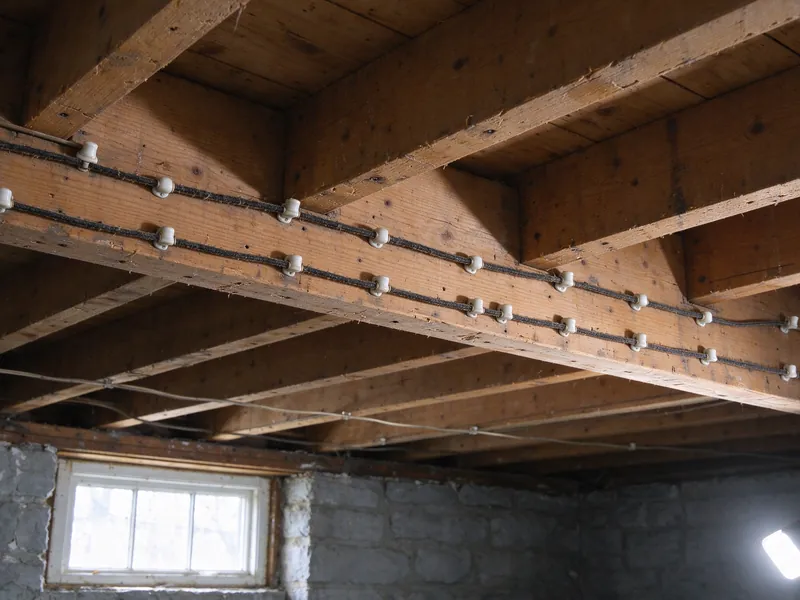
A home inspection may identify visible evidence and recommend electrical evaluation. It may not trace every circuit or examine concealed wiring. Separate an observed porcelain support from a confirmed active circuit and a whole-house conclusion. If the report does not establish active status or extent, do not silently fill in those gaps.
Share the complete relevant report with the electrician, including photographs and access limitations. Ask whether the proposed visit can address the circuits involved or whether additional permission or access would be required. A limited visit before purchase can still be useful if the findings explain what is known and what remains uncertain. It becomes misleading only when those limits disappear from the budget or transaction discussion.
Ask what previous updates actually covered
Request available electrical proposals, invoices, permits and completion records. Look for descriptions of circuits and rooms rather than relying on the phrase electrical updated. A service or panel improvement can be valuable while leaving older branch wiring elsewhere. A room renovation can include modern devices without establishing the routes behind adjoining finishes.
Where records are missing, treat the claim as unverified rather than assuming the work was or was not performed. The assessment can consider accessible evidence, but records and observation do different jobs. Ask the contractor to identify what can be established at the property. A seller's memory, an exterior photograph and a new breaker panel should not be combined into an unsupported statement that no active K&T remains.
Obtain insurance clarification before choosing the electrical scope
Talk with the proposed insurer about the actual finding. A requirement for an assessment may differ from a requirement for complete replacement. Ask what records are needed, whether a deadline applies and what happens if additional investigation is necessary. Do not assume another buyer's carrier policy will apply to your home.
Keep any electrical proposal aligned with that written request. A partial project can leave active wiring outside the work area, and a panel upgrade cannot be represented as branch replacement. If the insurer requires a particular endpoint, understand that before using a smaller electrical allowance in your purchase calculations. The contractor can explain the proposed work; the carrier decides whether it is acceptable for the policy.
Budget the electrical work and the rooms afterward
For preliminary context, a local example is $18,000–$25,000 for a full K&T rewire of a 1,500-square-foot house. It is not a Cleveland market average or a Watt quote, and complete finish-restoration inclusions are not established. Do not multiply it by your floor area as though it were a standard rate.
An assessed proposal should identify circuits, equipment changes, access openings and required approvals. It should also say who handles plaster, drywall, decorative repair and painting. A seller allowance that appears substantial may cover only part of that endpoint. Compare proposals at the same finishing point and keep any concealed-route uncertainty visible. Ask how additional findings would be priced and authorized if you proceed with the purchase.
Coordinate access and transaction questions separately
A buyer may need permission to bring an electrician into the property or investigate beyond an ordinary inspection. Access to attics, basements and occupied units can affect what the visit establishes. Discuss those arrangements through the appropriate transaction channels rather than assuming destructive investigation is included or permitted.
Sale terms, credits and contingencies are decisions to review with the professionals advising your transaction. This guide does not promise that rewiring will fit between an offer and closing or that an electrical invoice resolves every lender requirement. Watt Cleveland Knob and Tube manages older-home electrical work through fully licensed and insured contractors. Bring the finding, available records and your decision deadline so the assessment can be scoped to the information you need before committing.
Ask whether access after purchase will differ from the access available during the estimate. Occupied rooms, tenant permissions and stored belongings can limit a pre-purchase visit. A proposal built on a restricted visit should identify those assumptions so they remain visible when you compare the expected work with the funds available.
Questions about this decision
Should I assume the entire house needs rewiring?
No. Establish the active system and its extent. A full project may be appropriate, but the proposal should follow the findings rather than the home's age or one photograph.
Is a seller credit the same as an estimate?
No. A credit is a transaction figure. An electrical estimate should describe actual work, assumptions, exclusions and finish responsibilities. Compare those documents before treating the credit as sufficient funding.
Can the existing inspection certify every concealed circuit?
A visual home inspection is not a complete concealed-wiring investigation. Read its limits and ask what a separate electrical assessment can establish through the access available.