Watt Cleveland Knob and Tube offers and manages older-home electrical work in Cleveland and nearby communities. Electrical work is performed by fully licensed and insured contractors.
An insulation proposal can expose an electrical decision
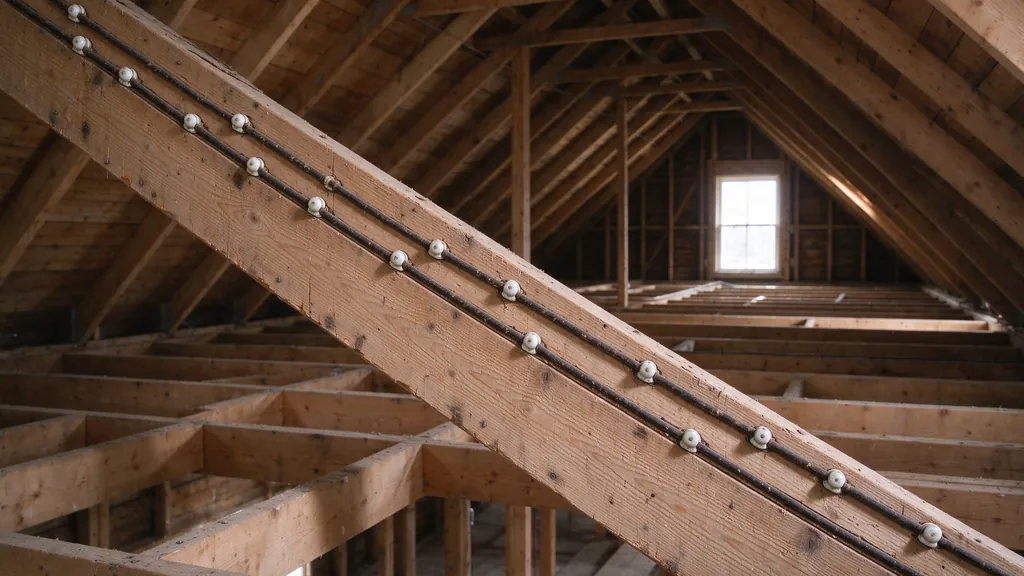
An attic project often brings old wiring to attention because another trade needs to work in the same space. Porcelain supports and separated conductors may be visible along framing. Those observations matter, but they do not establish whether a conductor is active or whether the visible run is the entire circuit. The electrical question should be settled before the next trade covers the area.
Watt Cleveland Knob and Tube offers and manages attic K&T replacement through fully licensed and insured contractors. The service addresses the electrical scope and handoff to other work. It does not include insulation installation merely because insulation prompted the request, and it does not turn a limited attic project into a claim that the whole house has been rewired.
Establish what the attic wiring still serves
A visible attic run can supply a ceiling fixture below, continue toward a finished room or form part of a system that extends beyond the accessible space. Cutting the scope at the attic hatch is therefore not a useful electrical boundary. The assessment needs to connect the visible finding to the circuits affected by the proposed work.
It should distinguish active conductors from disconnected remnants and record what access allows the contractor to establish. Stored belongings, finished attic rooms, low clearances and existing insulation can limit observations. Those limits should remain explicit rather than disappearing behind a broad statement that the attic was checked.
Ask whether the proposed visit includes circuit tracing, a written finding and a replacement proposal. They are different deliverables. A safe photograph may help prepare the visit, but it cannot establish electrical status. Do not move wiring, uncover conductors or pull aside insulation yourself to obtain a clearer view.
Define the electrical endpoint before booking the next trade
An attic replacement proposal should identify the circuits and devices included, their continuation outside the work area and any older wiring that remains. The new routing and treatment of retired material need to match the building and applicable requirements. A loose-looking wire is not evidence that it is safe to treat as debris.
The proposal should explain which accessible obsolete materials will be removed and which disconnected remnants may remain. Removing every support inside a finished ceiling is a different task from replacing the active circuit. If an insurer or another contractor has requested a particular outcome, provide the actual wording before choosing the removal scope.
Planned new loads may also change the conversation. An attic conversion, added equipment or altered room layout can involve more than replacing existing K&T. Keep those additions separate enough to understand why they are needed and how they affect circuits, equipment and approvals.
Arrange a clear handoff to insulation work
The electrical and insulation schedules need an agreed dependency. Ask who confirms that the specified wiring work and required inspections are complete before insulation proceeds. A calendar booking alone does not establish that the work area is ready, especially if concealed circuit connections change the scope.
The plan should address any insulation removal or reinstatement required for electrical access, naming the responsible trade. This electrical service should not silently assume that the insulation contractor will clear an area, or that the electrician will restore the insulation afterward. Those are separate responsibilities to resolve before work starts.
Guidance or exceptions described for another state should not be borrowed as approval for a Cleveland property. The contractor must work to the requirements applicable to the installation and project. Where the planned insulation depends on a particular inspection or certification, obtain that requirement from the responsible authority or program rather than assuming a generic letter is enough.
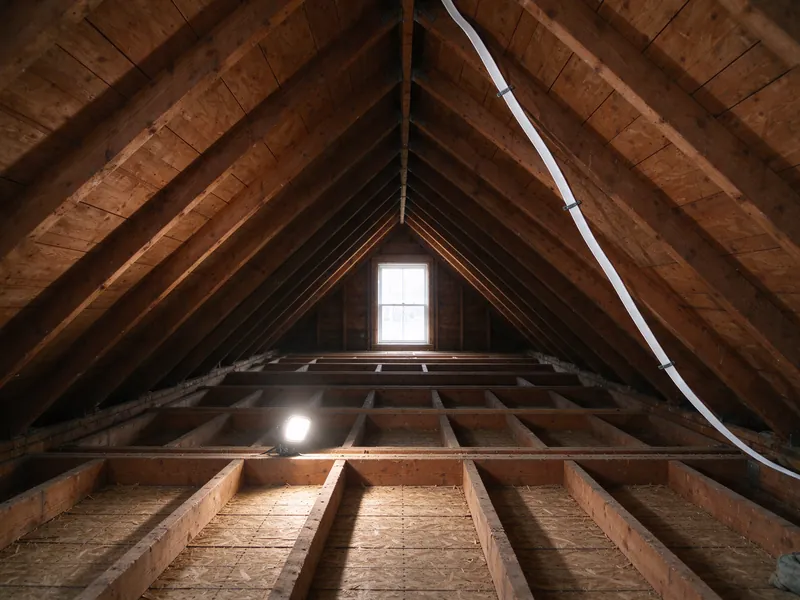
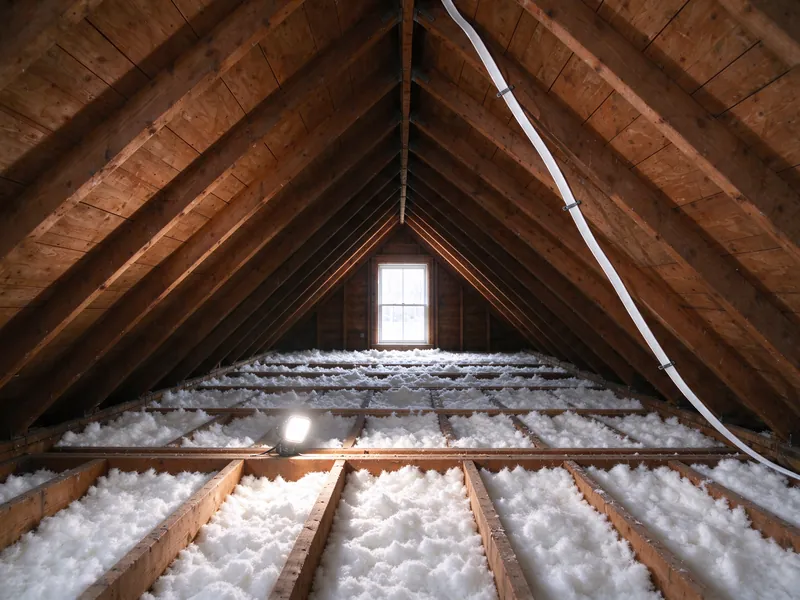
Attic Knob and Tube Replacement: the work in photos
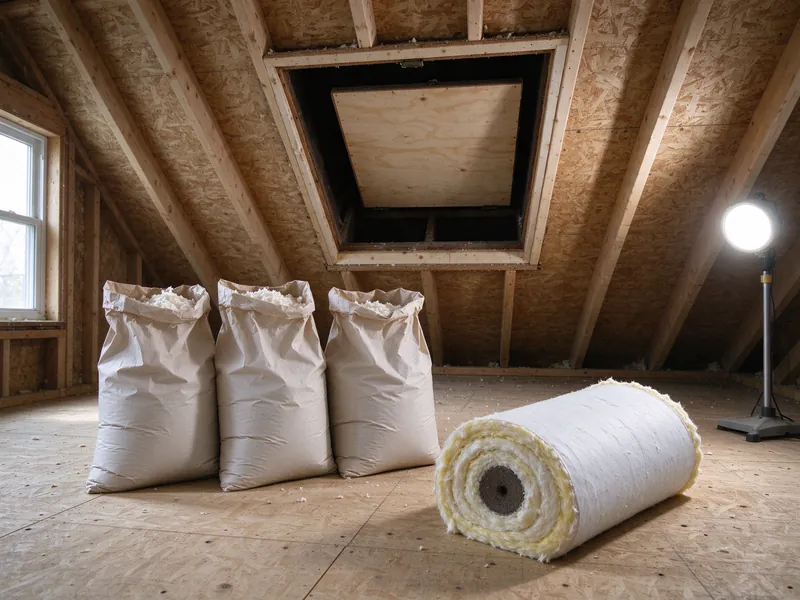
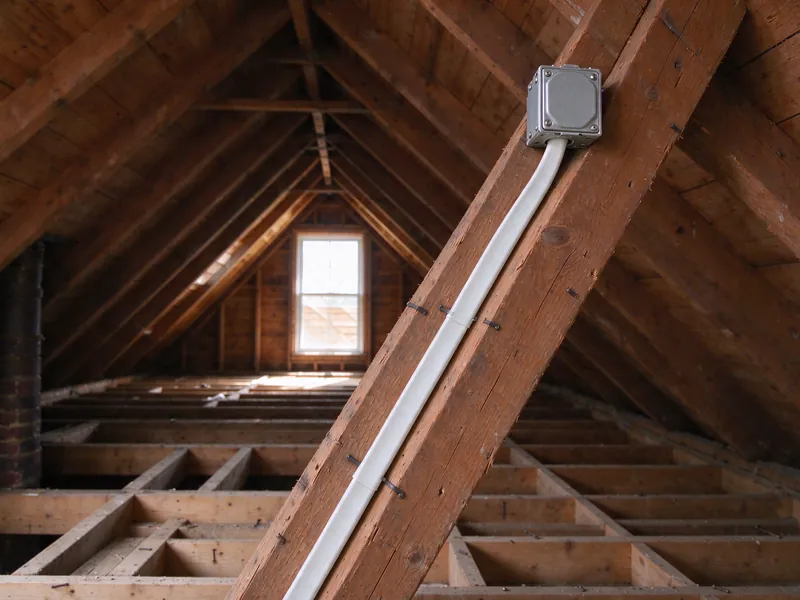
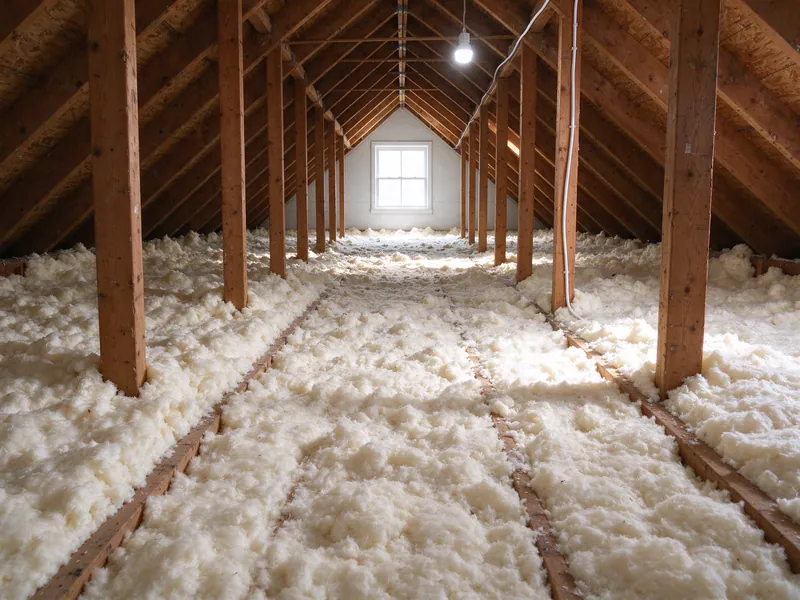
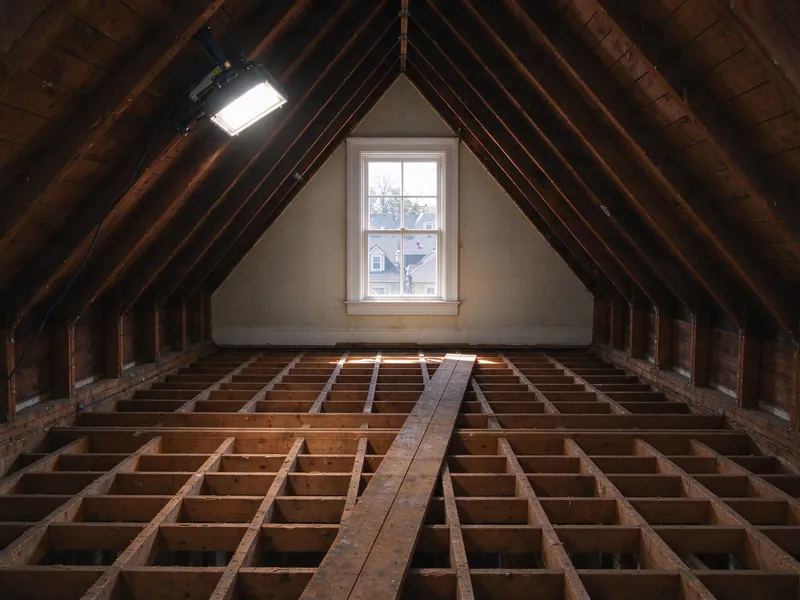
The attic, before and after insulation
Access and occupied rooms can change the sequence
An attic may be physically accessible while still presenting a difficult route to the fixtures below. Floor coverings, finished rooms, framing changes and restricted space can influence the work. Discuss the hatch, stair route and areas below the attic so the proposal accounts for getting equipment and materials to the work area.
Clearance and storage preparation should be agreed without asking the owner to disturb electrical components. Tell the contractor about fragile ceiling areas, rooms in use and any known access restrictions. The electrician can then explain what preparation is appropriate and where a different route or further assessment is needed.
Power interruptions can affect rooms well below the attic. The circuit map, not the apparent location of the work, determines those effects. Describe essential lighting, heating or other electrical needs before planning the sequence. Do not assume that a project described as attic work leaves every occupied room supplied normally.
Budget for the circuit route and the complete handover
There is no supported universal price for an attic K&T project. An isolated defined circuit, several lighting runs and wiring continuing into inaccessible areas are different scopes. Accessible floor area does not capture those differences. Request a proposal tied to the actual conductors, routes and required work.
Compare access preparation, replacement wiring, devices, permits, inspections and any restoration responsibilities. Ask how a discovery outside the original attic boundary would be handled and approved. If a later trade is waiting, include the effect of a changed scope on that handoff rather than treating it only as a price question.
At completion, retain the description of circuits replaced, the treatment of old material and applicable inspection records. If other legacy circuits remain in the house, the record should say so. The insulation contractor's next task and an insurer's acceptance are separate decisions; electrical completion should not be represented as automatically resolving both.
Questions about this work
Does visible porcelain mean the attic circuit is live?
No. Supports and disconnected conductors can remain after replacement. Electrical status requires professional verification; appearance and the age of the material do not establish it.
Can insulation work start while the electrician is still assessing?
Do not let one trade assume the electrical dependency is resolved. Agree on the required electrical milestone and who confirms it before the affected area is covered.
Will an attic rewire include the lights below?
It should include the devices and circuit continuations identified in the proposal. The assessment must establish the relationship, rather than assume that every visible attic run ends inside the attic.
Is insulation removal included?
Only if stated. Identify who handles any removal, protection and reinstatement needed for electrical access. An electrical replacement description alone does not assign that work.
What if the insurer wants the entire house cleared of K&T?
Share that requirement before commissioning a limited attic scope. Replacing attic circuits can leave other legacy wiring active. The insurer determines whether the documented outcome meets its request.