Disconnection and physical removal are separate questions
Not every project requires every abandoned porcelain support and concealed conductor to be physically removed. The appropriate treatment depends on the installation, the work scope and applicable requirements. Professional verification that a circuit is retired is a different task from extracting all of its material through finished walls.
Watt Cleveland Knob and Tube offers and manages older-home electrical work in Cleveland and nearby communities. Electrical work is performed by fully licensed and insured contractors.
Do not assume that a cut-looking end or loose knob proves wiring is abandoned. Previous alterations and mixed systems can make appearances misleading. The first question is what remains connected; only then can the contractor explain which material can remain, which should come out and how the condition will be documented.
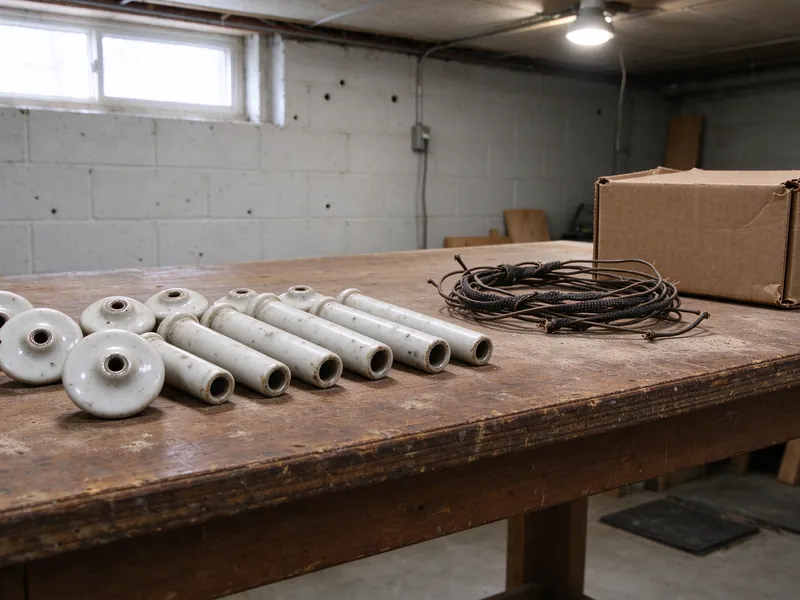
What an owner usually means by removal
People use removal to describe several different outcomes. One owner wants active legacy circuits replaced. Another wants visible attic wiring cleared before insulation. A third wants every old component taken out during a full renovation. These requests can involve very different physical work even when they begin with the same photograph.
Describe the objective in plain language. If an insurer used the word removal, ask what it requires as evidence and whether it distinguishes disconnected material from active wiring. If a demolition or insulation contractor needs access cleared, share the planned work area. A proposal can then describe a real endpoint instead of leaving everyone to interpret one ambiguous word.
Why concealed remnants can change the access decision
An accessible conductor in an unfinished basement may be straightforward for the contractor to address within a larger replacement project. A run behind retained plaster presents another question. Reaching every piece could mean opening surfaces that would otherwise remain intact. The electrical benefit, project requirements and restoration consequences need to be considered together.
The same distinction applies to porcelain hardware. Removing a disconnected support does not itself prove a circuit has been replaced, and leaving an inactive support does not by itself establish an active hazard. The assessment should focus on the actual wiring condition. Cosmetic cleanup and electrical retirement can be listed separately so the owner understands what each task accomplishes.
Keep insulation and demolition requirements visible
When insulation is planned, coordinate the electrical findings with the next trade before material is covered. An attic can contain active wiring, disconnected remnants and newer circuits in the same broad area. The contractor needs to establish their condition and explain what must happen before the planned work proceeds.
During demolition, identify who is responsible for the electrical scope before building material is removed. This is not a cleanup task for a homeowner or a non-electrical worker to begin by pulling old wire. Access changes can expose previously concealed connections, and those findings may alter the plan. The work sequence should include a way to address discoveries before demolition or finishing continues.
Ask what the replacement handover establishes
A useful completion description distinguishes conductors replaced, circuits retired and material physically removed. For partial work it also identifies what remains outside the replacement. That record is more informative than a photograph of a bin containing old porcelain, because removed material does not identify every circuit in the property.
Applicable permit and inspection records should accompany the electrical work. They serve their own purpose and should not be described as automatic insurance approval. If another party needs a specific statement about remaining wiring, share that request before the assessment. The contractor must be able to support the wording with the scope actually investigated and completed.
Restoration and disposal belong in the proposal
If physical removal requires openings, ask who makes them and who repairs the finishes afterward. Basic closure, matching plaster, priming and painting are distinct tasks. Extracting material from additional cavities can expand that work considerably. Do not assume a price for circuit replacement also includes every decorative repair associated with optional removal.
Ask how accessible debris and removed equipment are handled within the contract. Keep this discussion separate from any suspect building material requiring specialist evaluation. A dark cloth covering does not establish its composition from appearance alone. If a material concern is identified, it becomes a separate decision about investigation and handling, rather than a reason for the owner to disturb it.
Choose language that matches the actual job
Useful wording could describe replacement of identified active K&T circuits, removal of accessible conductors in a defined attic area, or retention of verified abandoned material in specified concealed spaces where allowed. The exact description must follow the findings and applicable project requirements. No generic sentence can certify every property.
Watt Cleveland Knob and Tube manages replacement and disconnection work fulfilled by fully licensed and insured contractors. Bring the property location and the reason removal was requested. We can discuss the electrical endpoint, the physical access needed and the records expected afterward, without treating every old component as either a harmless souvenir or proof that a complete rewire is necessary.
Questions about this decision
Can I pull out wire that looks disconnected?
No. Appearance cannot establish that a conductor is electrically isolated or identify all its connections. Leave identification, isolation and removal to a qualified electrician within an agreed scope.
Does abandoned hardware affect a sale?
A buyer or inspector may still ask about it. Keep records explaining the assessed condition and work completed. Do not assume that a visible remnant proves active wiring or that every buyer will accept the same documentation.
Can all old material be removed during renovation?
It may be possible where access and project requirements support it. Discuss the full physical scope and finishing work before pricing, particularly where the renovation leaves some rooms or cavities intact.