The process begins with a defined question
Knob and tube replacement generally moves from assessment and circuit scope to access planning, required permits, installation and completion checks. The sequence depends on the building and proposed work. A useful proposal explains those dependencies before work begins, including outages, finish repairs and how discoveries will be handled.
Watt Cleveland Knob and Tube offers and manages older-home electrical work in Cleveland and nearby communities. Electrical work is performed by fully licensed and insured contractors.
The starting question may come from a purchase inspection, insurer request, renovation or insulation project. Bring that information to the assessment. The same visible old wire can lead to different investigations depending on whether you need one circuit addressed or a documented replacement of the remaining legacy system.
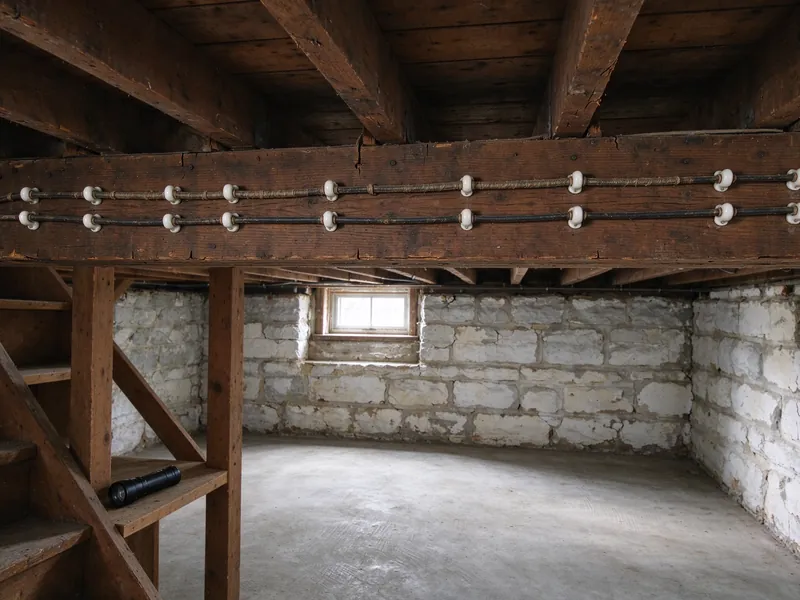
Establish what remains before describing the replacement
The contractor needs to understand the affected circuits, accessible conditions and relationships with newer wiring. Porcelain supports can remain after a prior rewire, while newer devices can be connected to older conductors elsewhere. Neither visual clue establishes the whole installation.
A defined assessment should explain what was established and what remains concealed or uncertain. Circuit tracing may form part of the agreed visit, but its extent and records need to be clear. If access prevents an answer, the findings should identify what additional investigation would involve. An estimate that acknowledges that boundary is more useful than a promise that everything can be known without access.
Translate the findings into a written scope
The proposal should identify the circuits, devices and building areas included. It should say what stays in use and whether panel, service, grounding or additional appliance circuits form part of the work. Those items can be related to the replacement without being automatic requirements for every home.
Discuss the intended endpoint. Full K&T replacement within the property scope is different from a broader rewire of every modern and legacy circuit. Physical removal of accessible old material is also distinct from taking out every concealed support. The written description should be specific enough that the owner and contractor mean the same thing when they use the word finished.
Plan access and the condition of the rooms
Existing basement and attic routes can offer opportunities to reach rooms while retaining finishes. They do not guarantee access to every fixture or outlet. Framing obstacles, additions and previously finished spaces can alter the route. Ask which openings are anticipated and which uncertainties could change that plan.
Agree how floors, furniture and retained surfaces are protected, along with any preparation the owner must arrange. Patching, plaster matching, priming and painting are different tasks. The electrical contractor and restoration contractor may have separate responsibilities, so the handoff should be clear before either begins. A general phrase about minimal disruption should not replace a description of the finishing point.
Sequence installation around occupants and other trades
Power interruptions need planning based on the actual circuits and equipment. Tell the contractor about refrigeration, heating, home-office use or equipment that depends on power. The work plan should explain expected interruptions and any arrangements included, without assuming every service can remain available throughout the job.
In a two-family or commercial building, access permissions and shared equipment can add coordination. Residents or businesses may need notice of specific work areas and interruptions. If a renovation or insulation project is involved, identify which electrical milestone releases the area to the next trade. A clear sequence reduces the chance of fresh finishes being opened again because a circuit question was left unresolved.
Address discoveries through an agreed change process
Opening a wall can reveal a route or alteration that was not visible during assessment. The proposal should explain how such findings are documented, what further work may be needed and how changes affecting cost or timing are authorized. A discovery is not a reason for the scope to expand without a conversation.
Ask which assumptions are firm and which remain subject to access. If the project includes an allowance, understand what it covers and how the final amount is established. A clear change description helps the owner decide whether to proceed with the proposed response or discuss another approach. It also keeps the completion record aligned with the actual installation.
Complete the work with records as well as installed wiring
Required inspections and the contractor's completion checks belong in the scope. The owner should know which records will be available and whether any finish work or separate phase remains outstanding. For a partial project, the handover should explain the retained wiring boundary instead of implying the entire house was rewired.
Watt Cleveland Knob and Tube offers and manages the project, with work performed by fully licensed and insured contractors. Start with the property and the finding, then use the written scope to agree what the work includes. Keep the records afterward so an insurer, buyer or future electrician can understand the result without relying on a broad verbal assurance.
Installation includes the connections serving the receptacles, switches and lighting points named in the scope. New cable passing through a room is not by itself a completed connection to each device. The contractor should explain which devices are replaced or retained and how the affected points are checked before the work is handed over. Owners should not open boxes or operate exposed wiring to verify this themselves.
Retiring the old circuit also needs verification by the electrician. A visible cut end does not establish that every related conductor is isolated, especially where previous alterations connect several wiring generations. The completion description should identify the retired circuit boundary and any legacy wiring left in service. Physical remnants and active wiring must remain distinct in that record.
The contractor's electrical testing and the authority's inspection approval are separate parts of completion. Ask which checks are included for the installed circuits and devices, which municipal inspection stages apply and what record shows their outcome. Do not treat a functioning light as the entire test record or an unfinished permit application as an approval. Any outstanding inspection or correction should remain visible in the handover.
Questions about this decision
Will all old components be removed?
Only the agreed removal scope and applicable requirements determine that. Retiring active circuits and extracting every old component from concealed cavities are different tasks with different access implications.
When should I book painting?
Coordinate it with electrical completion, required inspection stages and the specified patching work. Do not assume painting can start on a particular day before those dependencies are established.
What happens if more wiring is discovered?
The contractor should explain the finding and proposed response through the agreed change process. The record should identify any approved additions, effects on timing and revised completion scope.